|
|
|
|||||||||||||||||||||||||||||||||||||||||||||||||||||||||||||||||||||||||||||||||||||||||||||||||||
|
|||||||||||||||||||||||||||||||||||||||||||||||||||||||||||||||||||||||||||||||||||||||||||||||||||
|
|||||||||||||||||||||||||||||||||||||||||||||||||||||||||||||||||||||||||||||||||||||||||||||||||||||||||||||||||
|
|
Rental housing providers and residents can now begin applying for Covid-19-related rental assistance through the State of California.
The program, administered by the California Department of Housing and Community Development, will pay landlords 80% of the past due rent owed by eligible households.
https://housing.ca.gov/covid_rr/index.html
Update on Coronavirus Market Impacts:
The CALIFORNIA ASSOCIATION OF REALTORS® released its June housing market report last week and it showed an unprecedented rebound in closed sales and the state also set a new all-time high price of more than $623,000. Additionally, the economy has enjoyed a variety of positive reports in the past week on interest rates and the labor market. And yet, even as we continue to make solid progress, some of our pre-crisis structural issues have reasserted themselves and the near-term economic uncertainty has increased significantly as well.
Things continue to slowly improve, but it is clear that a full recovery is still a long way off.
California’s housing market recovers significant lost ground in June: After a record 41.4% decline in closed transactions in May 2020 due to coronavirus-related shelter in place orders, California saw the number of home sales rebound sharply in June. Home sales increased by more than 40% on a month to month basis. And although California is still below 2019 levels by 12.8%, it is a marked improvement from the sub-300,000 levels of April and May.
California’s unemployment falls amidst record job growth in June: California’s unemployment rate edged down from 16.4% in May to 14.9% in June as nonfarm payrolls swelled by more than 500,000. This marks the second consecutive monthly gain and means that California has already recovered nearly 700,000 of the roughly 2.6 million jobs lost in March and April.
More REALTORS® closed a transaction last week: The percentage of California REALTORS® that had a transaction close escrow last week increased slightly from 24% two weeks ago to 26% last week. Low rates have been translating into increased demand for home showings and a trend of rising mortgage applications since mid-April and although supply remains tight, California has seen many of those pending sales from April and May eventually close.
Pending sales increased for first time in 4 weeks: C.A.R.’s latest weekly analysis of MLS data across California reveals that pending sales increased for the first time in 4 weeks to an average of nearly 1,100 homes entering escrow per day last week. Prior to last week, home sales had been declining since late June. However, pending sales in California have now been above their pre-coronavirus levels for 11 weeks in a row.
Closed sales decline for first time in 10 weeks: Despite the solid June report on California’s housing market, the weekly MLS data shows that closed transactions declined for the first time since the week of May 9th. Previously, we have reported on flat or declining pending sales and this result is largely consistent with the slowdown in homes entering the escrow process we have observed over the past month.
Pending sales suggest a slow August: Although pending sales increased last week for the first time in nearly a month, the level of pending sales has been essentially flat for much of the past month. This suggests that although July may see closed sales shoot back into positive territory, more robust growth in August and September remains very much in question as the pace of new escrows subsides.
Inventory remains a significant challenge for California’s housing recovery: One key reason the recent rebound is losing momentum in recent weeks is that there is not enough inventory on the market for buyers to purchase. A myriad of indicators from jobs to spending to requests for home showings or new mortgage applications show that consumers continue to want to purchase a home, but the 43% decline in active listings across the state in June compared with last year have prevented many of these buyers from being able to do so.
More transactions are falling out of escrow, fewer members getting into escrow last week: The economy has made significant progress since mid-April, but a recent survey of California REALTORS® suggests that the recent increase in uncertainty has had a modest impact on their business. In the survey conducted over the weekend, the percentage of REALTORS® that had a transaction fall out of escrow during the week remained at 6%--slightly elevated from 5% three weeks ago. In addition, the percentage of respondents that entered escrow on a new transaction fell to 26% last week from 30% the previous week. This was the second consecutive decline.
Consumer sentiment declines in July as some businesses reclose: After recovering slightly in May and June, the University of Michigan’s preliminary estimate of consumer sentiment reversed course last week amidst re-shelter-in-place orders and general economic uncertainty. This is significant because consumer spending is still responsible for roughly 70% of the U.S. economy, which means a v-shaped recovery and much harder to achieve when consumers aren’t increasing their spending.
Last week was another week of contrasts: record job growth, record increases in home sales, new all-time high levels of home prices, and all-time low levels of interest rates contrasted against new closures in the state, rising initial claims for unemployment insurance, declining consumer confidence, and increasing difficulties in addressing the pandemic. It is hard to look at the data and not be optimistic about the progress we’ve made in the past three months, but it is equally hard to look ahead and not see increased economic uncertainty as well.
These tips can help you maintain a sense of routine and find balance when working from home, whether you’re sharing the space with a roommate, a partner, or a pet.
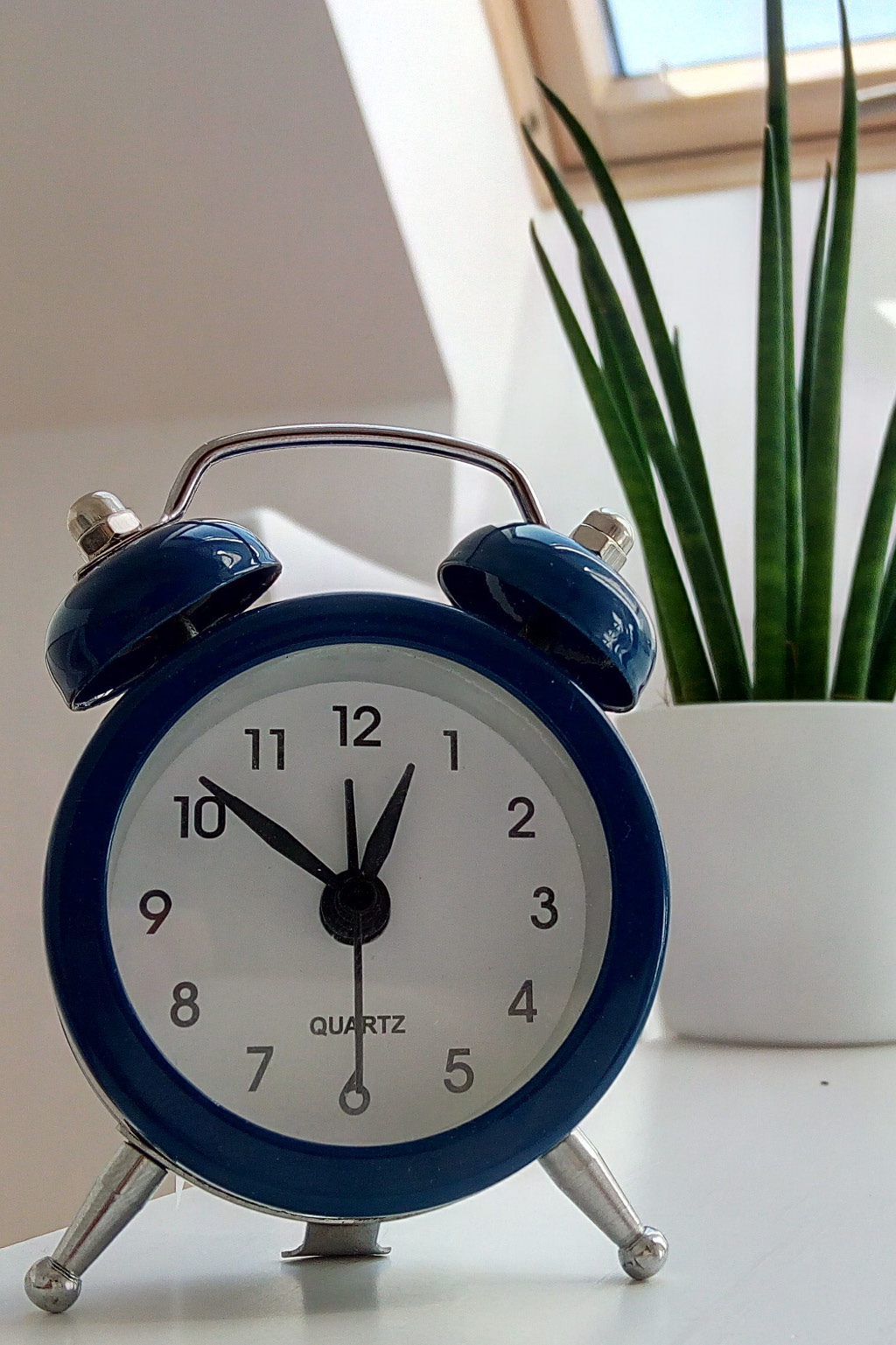
Wake up on the right side of the bed.
Without the pressure of rush hour traffic, it can be tempting to allow yourself to sleep long past your typical wake-up time. However, you should be mindful not to. Try your best to not reset your alarm to a later time. If you don’t usually have time for breakfast, use these extra minutes to prepare something nourishing for yourself, or for some mindful meditation to start your day right.
Set up a designated space.
If you’re lucky enough to have an office in your home, make sure it is primed for productivity by removing any and all distractions. This includes a television, games, and your phone. By keeping these items out of sight, you’ll be less likely to reach for them. You should, however, fill the room with things that bring you joy and a sense of positive energy, such as plants and aromatherapy candles or wax-melters.

Ditch the pajamas.
Yes, it might be more comfortable to take meeting calls from your sweatpants. But changing out of your loungewear into something more work appropriate will help put you in the mindset to be able to get your work done. If you look professional, you’ll feel professional.
Keep moving.
That being said, if you feel like your legs need stretching, don’t be afraid to take a walk, whether around the house or down the street. The activity is sure to give you a burst of energy and can keep you from feeling tired. You can also opt to work a few hours outdoors.

Take scheduled breaks.
Do you normally have breakfast at 9 a.m., take a fifteen-minute break at 11 a.m., eat lunch at 1:30 p.m., and take another short break at 3 p.m.? This shouldn’t change just because you’re at home. Do your best to maintain the schedule you’re used to. This includes the time you break for lunch, and other time you spend away from your desk. Get up and move around. It’ll help you be more productive when you return.
Working with a roommate or partner
Working with a child
Working with a pet
This year, COVID-19 restrictions mean that many camps, country clubs, and community recreation facilities are closed, or are severely limiting their services. That makes outdoor spaces even more important—and attractive—than ever before. If you are selling this year, talk to your real estate agent or broker about highlighting your picture-perfect outdoor spaces in the marketing materials created for your home sale.
They’re not as hot as other outdoor projects, but these elements are among the most value-added improvements you can make to your home’s exterior. Year after year, new exterior doors, garage doors, siding, and roofing lead the pack in return on investment (ROI). Remember, these improvements don’t have to be strictly utilitarian— they can contribute to updating and upgrading your home’s curb appeal as well. Go for a different color, different material, and a different look, and enhance these updates with new exterior lighting and hardware for maximum impact.
One of the most cost-effective ways to add value, no matter what your plans are for selling your home, are trees. Offering a host of benefits, including improving your ecological footprint, savings on heating and cooling costs, and appreciation year after year, mature trees add beauty and value to your home and to your neighborhood.
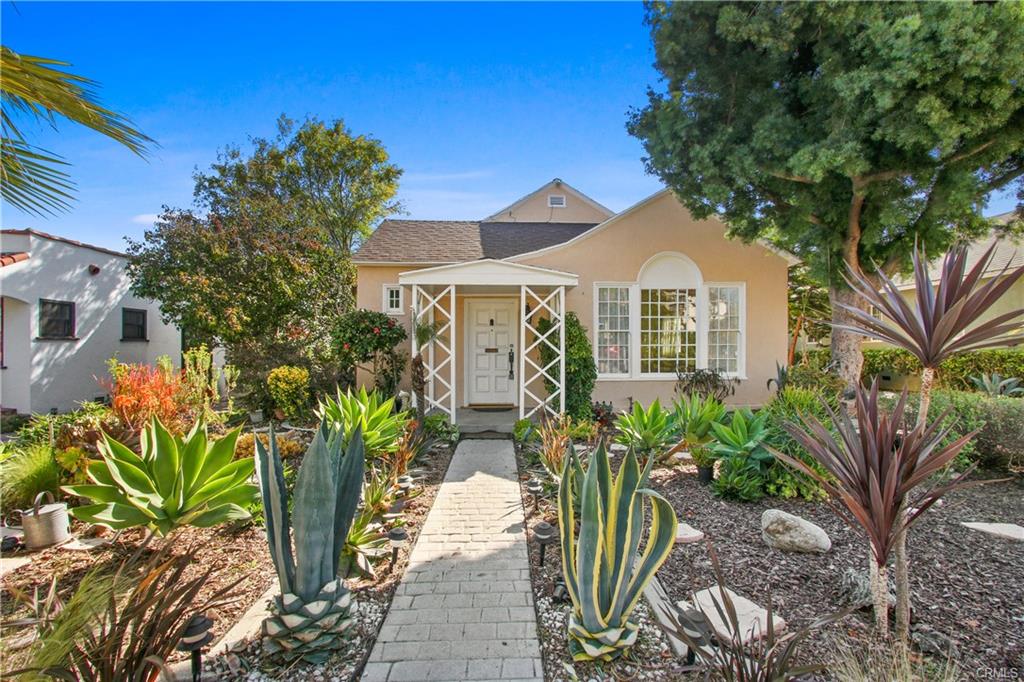
In addition, consistently well-maintained landscaping can make a big difference in the way your home looks, without breaking the bank or requiring weekend warrior DIY credentials. Consider a lawn service or the installation of an irrigation system to help your lawn reach its full potential.
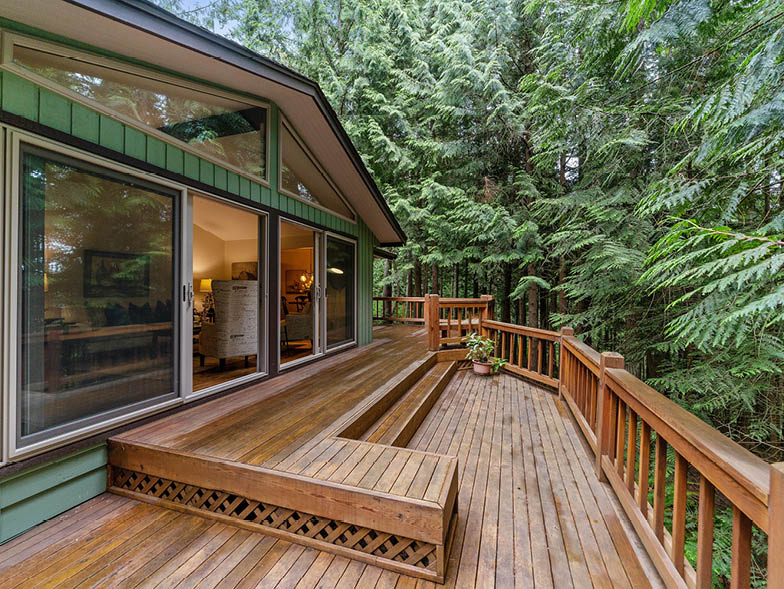
Patios and decks are always a popular upgrade, and they generally recoup much of their cost. Take a look at what your local market will bear before deciding on an over-the-top, elaborate patio or deck. In the South, where such spaces are used practically year-round, multiple levels, pergolas, and other bells and whistles may be a major selling point. In the North, they will probably seem like overkill and lose much of their ROI due to increased maintenance costs.
Geography is a major factor in determining the return on investment for a pool. In some markets, and in many luxury properties, a pool may be considered a must-have. In others, it is a liability and an unnecessary expense. In addition, positive ROI on a pool installation is difficult to create, since it’s an expensive upgrade with high ongoing expenses for maintenance and upkeep. A general rule of thumb is not to install a pool unless it’s something you and your family will enjoy, and is something that will enhance your quality of life during the years you are living in your home.
Also called a summer kitchen in some markets, an outdoor kitchen can provide a beautiful setting for outdoor lunches, dinners, and entertaining opportunities. The key to enhancing your ROI with an outdoor kitchen? Scale. While a luxury property might require extreme upgrades, for most homes, an inset grill, stainless steel ice chest and drawers, and sufficient counter space are all that’s required for a functional outdoor kitchen. Add an amply-sized table and chairs with a roof or pergola and you’re ready to party.
Though summer is warm for the majority of the country, the evenings can sometimes turn cooler in some places, especially at the beginning and end of the season. A large firepit or fire bowl with seating makes a perfect place to cozy up for a long evening of marshmallow roasting and storytelling with family and friends. As a bonus, fire features can range from elaborate gas-powered setups to simple, cost-effective DIY projects—meaning they’re a value-added update you can afford no matter your budget.
For many buyers, pets are a major consideration, so projects that appeal to pet parents are particularly popular selling features. These can include:
Since 67 percent of US households own a pet, a marketing plan that includes pets may make your home the top choice for even more buyers in your area.
Especially in a time of economic uncertainty, projects that offer additional financial stability are, perhaps, the best investments of all. If your property includes a carriage house, guest house, pool house, or garage, you may be able to create a desirable rental unit. For convertible spaces in your main home, like an attic or basement, a separate entrance, porch, and outdoor space may create even more impact and marketability. If you don’t want to rent the space out yourself, use it for guests or as an in-law suite now, then market its rental potential when you decide to sell.
Don’t forget to include additional features like outdoor lighting and audio to enhance your updated space. For upgraded landscaping, ensure that you have a plan in place to keep it healthy and optimally maintained, no matter the season.
Your real estate professional has the insights you need to help you determine which outdoor improvement will have the most impact at the closing table. This will depend on a variety of factors, including buyer demand, comparable properties, and market conditions in your area. In addition, your real estate agent or broker will know the best professionals in your area for helping you plan and install your upgraded outdoor spaces.